Seahorse XF T Cell Metabolic Profiling Kit

SEA103772100


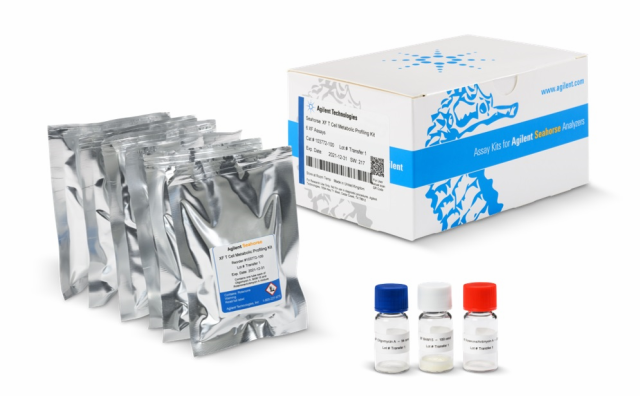
For use with T cells and NK cells. Each kit contains six (6) single-use pouches. Each pouch contains one (1) each of oligomycin A, BAM15, and rotenone/antimycin A.

For use with Seahorse XF Pro and XFe96 analyzers.

Features
 
  • Generates robust bioenergetic data linked to critical T cell attributes for antitumor properties: T cell persistence and T cell metabolic fitness
  • Provides a comprehensive view of T cell and NK cell metabolism, including quantification of both glycolytic and mitochondrial effects
  • Evaluates different construct designs, engineering strategies, starting material selection, or manufacturing conditions
  • Includes improved reagents for more accurate results and minimal optimization of uncouplers for different T and NK cell populations
  • Reconstitute compounds directly in the assay medium, eliminating the need for DMSO
  • Is validated for best performance with the Agilent Seahorse XF Pro analyzer, Agilent XF HS Mini analyzer, Agilent Seahorse XF RPMI medium (pH 7.4), and Agilent Seahorse XF supplements
  • Supplies easy-to-interpret data analysis provided by Agilent Seahorse Analytics, a cloud-based platform, simplifying data processing
Applications

XF T cell persistence assay

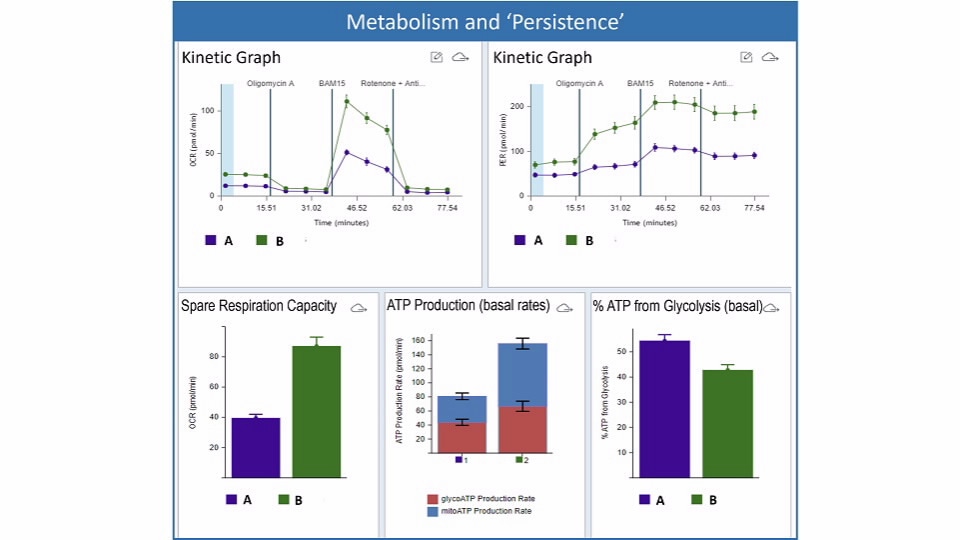
The T cell persistence assay is designed to investigate the ability of T cells to develop a durable immune response and to generate memory-like T cells after infusion. Several publications indicate that distinct metabolic profiles of T cells (e.g. high spare respiratory capacity combined with high oxidative and low glycolytic basal activities) are characteristics linked to improved T cell persistence after adoptive cell transfer. This assay can be used to evaluate different construct designs, engineering strategies, starting material selection, or metabolic conditioning during the cell expansion process.
 

XF T cell fitness assay

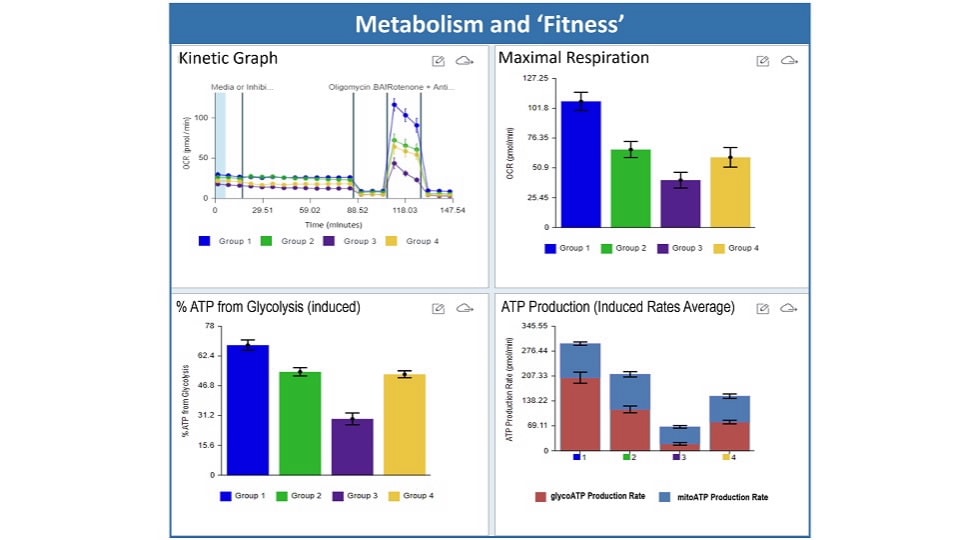
The T cell fitness assay allows for the measurement of both T cell metabolism and fuel utilization under varied nutrient conditions, thus assessing the ability of T cells to sustain antitumor function in metabolically restrictive environments, such as the ones encountered in the tumor microenvironment. Such conditions can be created by using substrate pathway inhibitors (e.g., etomoxir, UK5099, BPTES), by replacing glucose with other carbon sources, or by directly altering levels of metabolic substrates in the assay medium.

XF NK cell metabolic profiling assay

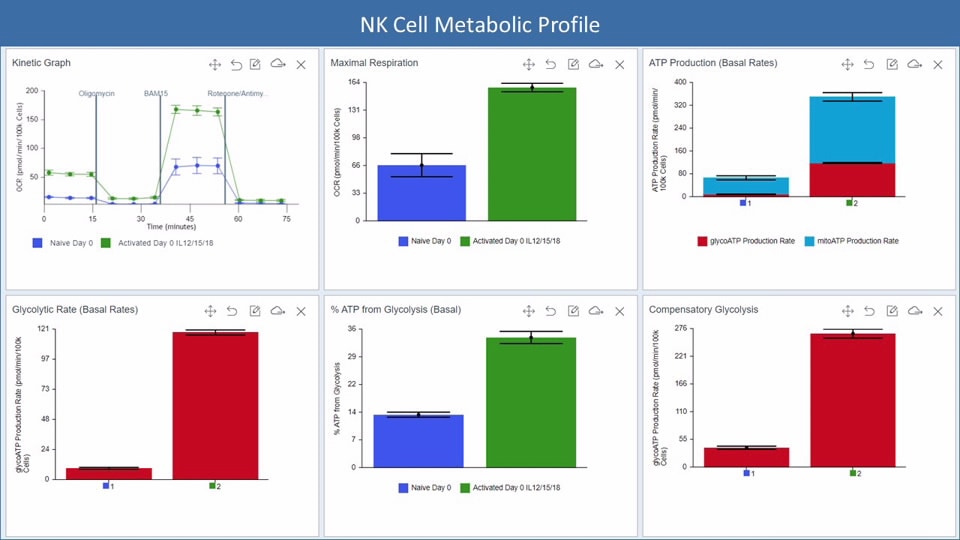
The T Cell Metabolic Profiling kit has now been validated to work with both T and NK cells. The NK cell metabolic profiling assay uses optimized reagents to generate more robust and accurate NK cell bioenergetic measurements. This assay provides a comprehensive view of glycolytic and mitochondrial metabolism allowing for characterization of NK cell signatures vital for immunotherapy. Early work indicates that basal energy production, glycolytic capacity, and metabolic poise are critical drivers for NK cell response and therapy optimization.

By clicking 'Accept All' you consent that we may collect information about you for various purposes, including: Functionality, Statistics and Marketing